



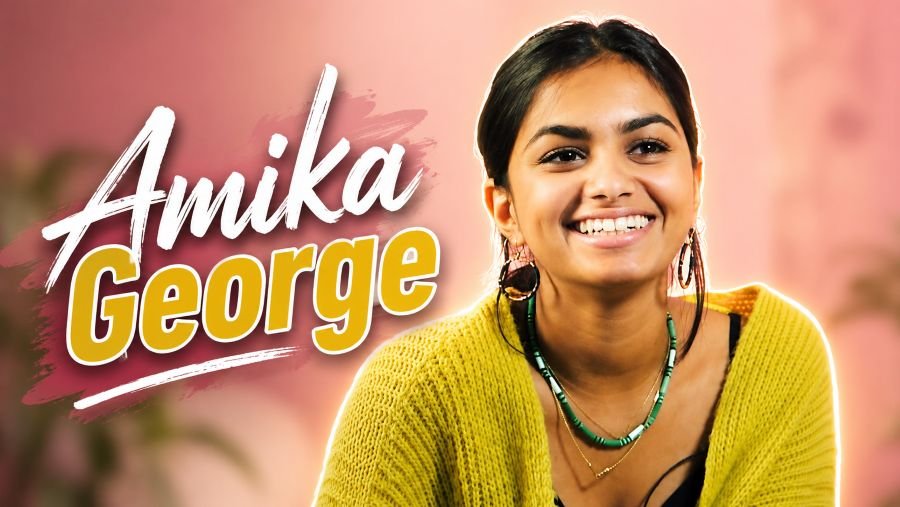
Introduction
Amika George is a British activist, author and campaigner. She is best known as the founder of Free Periods, a movement created to stop young people from missing school because they cannot afford menstrual products.
She began the campaign when she was only 17 years old. What started as an online petition from her bedroom soon became a major public movement.
Her campaign helped bring period poverty into national discussion. It also added pressure for the introduction of free period products in schools and colleges across England.
Today, Amika George is seen as an important voice in youth activism, education equality and menstrual rights.
Quick Bio
| Detail | Information |
|---|---|
| Full Name | Amika Sara George |
| Known As | Amika George |
| Profession | Activist, author and campaigner |
| Born | 4 October 1999 |
| Birthplace | London, England |
| Nationality | British |
| Famous For | Founding the Free Periods campaign |
| Education | History at Murray Edwards College, University of Cambridge |
| Notable Book | Make It Happen: How to Be an Activist |
| Major Honour | MBE for services to education in 2021 |
| Main Cause | Period equality and equal access to education |
Who Is Amika George?
Amika George is a British campaigner from London. She became widely known after starting the Free Periods campaign in 2017.
She was still studying at school when she learned that some young people were missing lessons because they could not afford pads or tampons.
Amika believed this was unfair. A student’s education should not depend on whether their family can afford essential period products.
Instead of ignoring the problem, she decided to act.
The official Free Periods organisation identifies Amika as its founder and says that she started the campaign at the age of 17.
Why Did Amika George Start Free Periods?
Amika started Free Periods after reading reports about period poverty in the United Kingdom.
Period poverty happens when someone cannot afford or easily access menstrual products. It can cause stress, embarrassment and missed days at school.
Amika understood that the issue was not only about periods. It was also about education, dignity and equal opportunity.
She created an online petition asking the government to provide free period products to students who needed them.
The petition gained support from thousands of people. Amika also used social media to explain the problem in clear language and encourage young people to join the campaign.
Her work showed that a person does not need to be rich, famous or politically powerful to begin making a difference.
Readers interested in more stories about people who challenge unfair systems can explore the latest public-interest features on GateKeepBlog.
The Free Periods Protest
In December 2017, Amika helped organise a large protest near Downing Street in London.
Around 2,000 people reportedly attended the event. Campaigners, students, public figures and politicians joined together to demand action against period poverty.
The protest gave the campaign greater national attention. It also showed that many people believed missing education because of a period was unacceptable.
For Amika, the event was an important turning point. Her campaign was no longer only an online petition. It had become a visible public movement.
How Amika George Helped Change Education
Free Periods continued to campaign through petitions, public events, media appearances and legal pressure.
In January 2020, the UK government launched the Period Products Scheme in England. The scheme allows eligible schools and colleges to provide free period products to students who need them.
The products may be available when a student cannot afford them, forgets to bring them or unexpectedly starts their period at school.
The Department for Education states that the scheme was introduced so students would not be held back from education because of their period.
Amika was not the only person working on this issue. Several charities, teachers, campaigners and organisations also supported the fight against period poverty.
However, Free Periods played an important role in making the issue difficult for leaders and the public to ignore.
Amika George’s Education
Amika studied History at Murray Edwards College, part of the University of Cambridge.
She continued her campaign work while completing her studies. This meant balancing university assignments with interviews, public events and national activism.
Cambridge’s Faculty of History described her as a History undergraduate and the founder of Free Periods when it announced her MBE recognition in 2021.
Her education also helped her explore questions about history, society, power and equality.
Amika George’s MBE Honour
In 2021, Amika George was appointed a Member of the Order of the British Empire, commonly called an MBE.
She received the honour for services to education.
At 21, she was the youngest person included in that year’s Queen’s Birthday Honours list.
The official UK government announcement described her as the founder of the Free Periods campaign and confirmed that she received the MBE for her work in education.
Amika later explained that accepting an honour connected to the history of the British Empire was not a simple decision for her.
She decided to accept it while recognising the importance of greater representation for young people and people of colour in activism and public life.
Amika George’s Book
Amika is also an author.
Her first book is titled Make It Happen: How to Be an Activist. It was published by HarperCollins in 2021.
The book is a practical guide for people who want to support a cause or create positive change.
It explains subjects such as:
- Choosing an issue to support
- Building a campaign
- Finding people who share the same goal
- Using social media responsibly
- Speaking to journalists and decision-makers
- Managing setbacks
- Turning an idea into real action
HarperCollins describes the book as a step-by-step guide to campaigning for a cause.
The book carries the same message as Amika’s public work: ordinary people can become activists when they care about an issue and are willing to take action.
Awards and Recognition
Amika George has received recognition from several international organisations and publications.
Her confirmed honours include:
- The Goalkeepers Campaign Award in 2018
- A place on TIME’s list of influential teenagers
- Recognition in Teen Vogue’s 21 Under 21
- Inclusion among notable young changemakers
- An MBE for services to education in 2021
These honours increased public awareness of Free Periods and helped Amika bring the discussion about period poverty to a wider audience.
Why Amika George’s Work Matters
Amika’s work matters because period poverty can directly affect education.
A student who cannot access period products may stay home, avoid lessons or feel unable to take part in normal school activities.
Missing school can affect learning, confidence and future opportunities.
Free products cannot solve every form of poverty. However, they can remove one clear and preventable barrier to education.
Amika also helped make conversations about periods more public. This is important because shame and silence can prevent young people from asking for help.
Her campaign encouraged schools, parents, students and political leaders to speak more openly about menstrual needs.
What Can Young People Learn from Amika George?
Amika’s story offers several useful lessons.
First, age does not prevent someone from creating change. She began her campaign before she was old enough to vote in a UK general election.
Second, a campaign can begin with one simple action. Her movement started with reading an article, creating a petition and explaining why the problem mattered.
Third, change usually requires teamwork. Amika worked with supporters, lawyers, charities, politicians and other activists.
Finally, successful activism takes time. Free Periods did not achieve its goal through one social media post. It required years of public pressure, planning and continued discussion.
Amika George’s Public Impact
Amika George helped change the way many people understand period poverty.
Before campaigns such as Free Periods gained national attention, the subject was often treated as a private problem.
Amika helped present it as an issue of education and equality.
Her story has inspired other young people to speak about problems in their own schools and communities.
She has shown that activism can begin with a question:
Why is this happening, and what can I do to help change it?
Frequently Asked Questions
Who is Amika George?
Amika George is a British activist and author. She is best known for founding the Free Periods campaign against period poverty.
What is Amika George famous for?
She is famous for campaigning for free menstrual products in schools and colleges across England.
How old was Amika George when she started Free Periods?
She was 17 years old when she started the campaign in 2017.
What did Amika George study?
She studied History at Murray Edwards College, University of Cambridge.
Did Amika George receive an MBE?
Yes. She received an MBE in the 2021 Queen’s Birthday Honours for services to education.
What book did Amika George write?
She wrote Make It Happen: How to Be an Activist, a guide for people who want to create campaigns and support important causes.
Did Amika George end period poverty?
No single person or campaign has completely ended period poverty. However, Amika and Free Periods helped bring the issue into national debate and supported the movement that led to free period products being provided through schools and colleges in England.
Final Words
Amika George turned concern about an unfair problem into a powerful public campaign.
She began with no government position, large organisation or professional campaign team. She began as a school student who believed that no young person should miss education because they could not afford period products.
Through Free Periods, public protests, media work and her book, she helped make period poverty a major education issue.
Her journey is a clear example of how one young voice can encourage thousands of people to act together.
