


Introduction
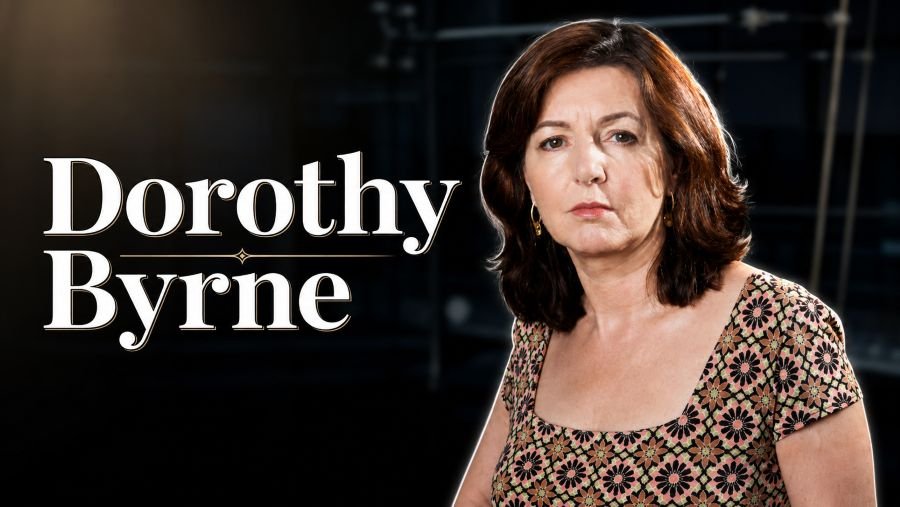
Dorothy Byrne is a British television journalist, editor, producer, author and former college president. She is best known for leading Channel 4’s news and current affairs department for around 17 years.
During her time at Channel 4, Byrne helped oversee important programmes such as Channel 4 News, Dispatches and Unreported World. These programmes became known for serious investigations, international reporting and stories that challenged powerful people and organisations.
She later served as President of Murray Edwards College at the University of Cambridge from September 2021 until August 2025.
Dorothy Byrne has spent much of her career defending investigative journalism, supporting women in leadership and encouraging reporters to ask difficult questions. Her direct speaking style has also made her an important voice in debates about politics, truth and public trust.
Dorothy Byrne Quick Facts
| Detail | Information |
|---|---|
| Full name | Dorothy Byrne |
| Birth year | 1953 |
| Birthplace | Paisley, Scotland |
| Nationality | British |
| Profession | Journalist, television producer, editor and author |
| Known for | Former Head of News and Current Affairs at Channel 4 |
| Education | University of Manchester and University of Sheffield |
| University subject | Philosophy |
| Major programmes | Channel 4 News, Dispatches and Unreported World |
| Former academic role | President of Murray Edwards College, Cambridge |
| Major book | Trust Me, I’m Not a Politician |
| Main career focus | Investigative journalism and public accountability |
Dorothy Byrne’s exact date of birth has not been confirmed by a strong official public source. Most public biographies list 1953 as her birth year.
Who Is Dorothy Byrne?
Dorothy Byrne is one of the most influential figures in modern British television journalism.
She did not become famous as a regular television news presenter. Instead, she built her reputation behind the scenes as an editor, producer and senior decision-maker.
Her job involved deciding which investigations should be supported, which difficult subjects deserved national attention and how Channel 4 should question powerful institutions.
Byrne became Head of News and Current Affairs at Channel 4 in 2003. She remained in that position until 2020, when she moved into the specially created role of Editor-at-Large.
Her career has covered television investigations, political journalism, international reporting, university leadership, public speaking and ethical journalism.
Dorothy Byrne’s Early Life
Dorothy Byrne was born in Paisley, Scotland.
Her family later moved to the Blackpool area in England when she was a child. She attended a convent school and became involved in public debating while still young.
Byrne and her school debate partner won the English-Speaking Union Schools’ Mace competition in 1970.
She has explained that debating helped her learn how to build an argument, listen carefully and defend a position. These skills later became useful when she had to support difficult journalism projects in meetings with senior television executives.
After university, Byrne spent time volunteering in Nigeria before entering journalism.
Dorothy Byrne’s Education
Dorothy Byrne studied Philosophy at the University of Manchester.
Philosophy teaches people to examine ideas, question evidence and build clear arguments. These abilities became important throughout her career in investigative journalism.
She later completed a Diploma in Business Studies at the University of Sheffield.
Her combination of philosophy and business education helped prepare her for both sides of television journalism. She understood how to investigate difficult questions, but she also learned how organisations, budgets and senior management worked.
Byrne later returned to universities as a visiting professor, speaker, honorary graduate and college leader.
How Did Dorothy Byrne Start Her Career?
Dorothy Byrne began her journalism career in local newspapers.
She later moved into television and worked on Granada Television’s famous investigative programme World in Action.
The programme was known for serious reporting about politics, crime, business, public services and social problems.
Byrne started as a researcher before becoming a producer and director.
One of her early investigations examined marital rape. She later recalled that some senior male colleagues questioned whether the subject was important enough for a major current affairs programme.
Byrne continued with the project because she believed violence against women should be treated as a serious public issue rather than a private matter.
This experience helped shape her future approach. She became known for supporting stories that other people considered uncomfortable, risky or difficult.
Work on World in Action and The Big Story
Working on World in Action gave Dorothy Byrne experience in detailed television investigations.
Producing an investigative programme requires more than finding an interesting subject. Journalists must gather evidence, check legal risks, interview people, confirm claims and present the story clearly.
Byrne later became editor of ITV’s The Big Story.
This position gave her greater responsibility for deciding which investigations would be produced and how the final programmes would be presented.
Her work at Granada and ITV prepared her for the much larger leadership role she would later hold at Channel 4.
Dorothy Byrne’s Channel 4 Career
Dorothy Byrne joined Channel 4’s current affairs operation during the late 1990s.
She worked as an editor and commissioning executive for Dispatches, one of Britain’s best-known investigative documentary programmes.
In 2003, she became Head of News and Current Affairs at Channel 4.
Her department was responsible for some of the broadcaster’s most important journalism, including:
- Channel 4 News
- Dispatches
- Unreported World
- Political interviews
- International investigations
- Social affairs documentaries
- Reports about war, corruption and human rights
Byrne’s work was not usually visible on screen. However, she played an important role in choosing projects, protecting journalists and supporting investigations that carried editorial or legal risk.
Readers interested in another British broadcaster who makes difficult subjects understandable can explore this profile of Eleanor Barraclough and her broadcasting career.
Why Was Dorothy Byrne Important at Channel 4?
Dorothy Byrne believed television journalism should do more than repeat official statements.
She argued that reporters should examine whether politicians, companies and public institutions were telling the truth.
Under her leadership, Channel 4 supported investigations into conflict, abuse, political power, international crime and social injustice.
Many programmes commissioned by her department received BAFTA, Emmy and Royal Television Society recognition.
These awards were often presented to individual programmes, journalists and production teams. However, Byrne’s leadership helped create an environment where ambitious investigative work could be produced.
In 2020, she stepped down as Head of News and Current Affairs and became Channel 4’s Editor-at-Large. The official Channel 4 announcement explained that the new position allowed her to continue supporting major editorial and creative projects.
Dorothy Byrne’s Journalism Style
Dorothy Byrne is known for being direct, confident and willing to challenge powerful people.
She has repeatedly said that journalists must hold authority to account.
This means reporters should carefully question governments, politicians, business leaders and organisations whose decisions affect the public.
Her approach is based on several simple ideas:
- Important claims should be checked.
- Powerful people should face difficult questions.
- Journalists should not avoid a story only because it may cause criticism.
- News organisations should explain complicated subjects clearly.
- Women and overlooked communities should receive serious coverage.
- Reporters should separate confirmed evidence from opinion.
This style helped Byrne become a respected leader, but it also placed her at the centre of public debates about political journalism.
The 2019 MacTaggart Lecture
In 2019, Dorothy Byrne delivered the MacTaggart Lecture at the Edinburgh Television Festival.
The MacTaggart Lecture is one of the most important annual speeches in the British television industry.
Byrne used the speech to discuss political dishonesty, public distrust, television leadership and sexism in the media.
She argued that broadcasters should be more direct when politicians make statements that are not supported by evidence.
Her speech received wide attention because senior television executives do not always criticise political leaders so openly.
The lecture strengthened Byrne’s public image as a journalist who was willing to say difficult things, even when her comments could cause controversy.
Dorothy Byrne’s Book
Dorothy Byrne published Trust Me, I’m Not a Politician: A Simple Guide to Saving Democracy in 2019.
The book examines why many people have lost trust in politicians, journalists and public institutions.
It also asks how democracy can remain healthy when people are surrounded by misleading information, political arguments and online rumours.
Byrne explains that journalism has an important role in helping people understand what is true.
The book reflects the main ideas that shaped her television career: truth, accountability, evidence and public responsibility.
President of Murray Edwards College
Dorothy Byrne became the sixth President of Murray Edwards College at the University of Cambridge in September 2021.
Murray Edwards is a Cambridge college focused on the education and development of women.
As president, Byrne became involved in college leadership, student support, public events, fundraising and discussions about women’s opportunities.
Her appointment connected her journalism experience with a new form of leadership.
She encouraged women to apply for senior positions, speak with confidence and avoid believing that leadership belongs only to people from traditional backgrounds.
Byrne left the presidency on 31 August 2025. The college’s official annual report records her departure on that date.
Supporting Women in Leadership
Women’s leadership has been an important subject throughout Dorothy Byrne’s public career.
She has spoken about sexism in television and the barriers women may face when seeking senior jobs.
Byrne has encouraged women not to wait until they meet every possible requirement before applying for a role.
She has also argued that television and other public institutions need women of different ages in positions of authority.
Her leadership at Murray Edwards College gave her another platform to support women in education, science, business, public service and media.
Her message is simple: talented women should be given real opportunities to lead, make decisions and influence public life.
Awards and Recognition
Dorothy Byrne has received several major honours for her contribution to television and journalism.
BAFTA Scotland Award
In 2015, BAFTA Scotland gave Byrne its Outstanding Contribution to Broadcasting award.
The organisation recognised her work at Channel 4, including her involvement with Dispatches, Unreported World and Channel 4 News.
Royal Television Society Recognition
Byrne became a Fellow of the Royal Television Society for her contribution to television journalism.
She also received an Outstanding Contribution award at the Royal Television Society Television Journalism Awards.
Grierson Trustees’ Award
In 2019, Byrne received the Grierson Trustees’ Award.
The honour recognised her major contribution to documentary television and investigative journalism.
Honorary University Degrees
Several British universities have recognised Byrne’s work through honorary degrees.
These institutions include the University of Manchester, the University of Sheffield, the University of Portsmouth and the University of the West of Scotland.
The awards reflect her influence on journalism, television, public debate and education.
Ethical Journalism Work
Dorothy Byrne has also worked with the Ethical Journalism Network.
She chaired the organisation’s Board of Trustees from 2016 until 2021 and continued to support its work through its UK advisory structure.
The network promotes accurate, fair and responsible journalism.
Its work includes guidance on migration reporting, hate speech, terrorism propaganda and ethical newsroom decisions.
Byrne’s connection with the organisation fits closely with her wider belief that journalism should be brave but also responsible.
A journalist should challenge power, but every serious claim must still be checked and supported by evidence.
Dorothy Byrne’s Influence on Other Journalists
Dorothy Byrne’s influence is not limited to the programmes produced during her Channel 4 career.
She also helped support younger journalists, producers and editors.
Senior newsroom leaders decide whether reporters receive the time, money and legal support needed to complete difficult investigations.
By backing serious projects, Byrne helped journalists investigate stories that might otherwise have been ignored.
Her career also showed women that they could lead major news departments and make important editorial decisions.
Readers who enjoy profiles of British journalists and writers may also explore Giles Milton and his career in journalism and historical storytelling.
Is Dorothy Byrne Still at Channel 4?
Dorothy Byrne stepped down as Channel 4’s Head of News and Current Affairs in 2020.
She then became Editor-at-Large, a specially created position that allowed her to continue working on important projects.
She later moved into full-time academic leadership as President of Murray Edwards College.
As of August 2026, Byrne is no longer the college president. She remains publicly known as a journalist, producer, author, speaker and advocate for responsible journalism.
Is Dorothy Byrne Married?
Reliable public sources do not provide clear information about Dorothy Byrne’s current marital status.
She has publicly written about becoming a mother in her forties, but she has generally kept detailed family information away from media attention.
Private claims about a spouse, partner or wider family should not be treated as confirmed unless Byrne or a reliable official source verifies them.
Dorothy Byrne Net Worth
There is no reliable public figure for Dorothy Byrne’s net worth.
Her professional income has likely included senior television work, university leadership, writing, public speaking and academic roles.
However, her salary, investments, property and personal assets have not been publicly confirmed.
Websites that publish exact net worth estimates without strong evidence should not be considered reliable.
Why Does Dorothy Byrne Matter?
Dorothy Byrne matters because she helped protect serious investigative journalism during a period of major change in television and digital media.
Her career shows that important journalism depends on more than reporters appearing on screen.
It also depends on senior editors who are willing to approve difficult stories, support investigation teams and defend their work.
Byrne has also challenged old ideas about who should lead major institutions.
Through television, public speaking and university leadership, she has encouraged women to seek authority rather than remain outside the rooms where decisions are made.
Her work continues to influence conversations about truth, democracy, political interviews, television standards and the responsibilities of journalists.
Frequently Asked Questions
Who is Dorothy Byrne?
Dorothy Byrne is a British journalist, television producer, editor and author. She is best known for serving as Channel 4’s Head of News and Current Affairs.
What is Dorothy Byrne famous for?
She is famous for leading Channel 4’s news and current affairs department and overseeing programmes including Channel 4 News, Dispatches and Unreported World.
Where was Dorothy Byrne born?
She was born in Paisley, Scotland.
What did Dorothy Byrne study?
She studied Philosophy at the University of Manchester and later completed a Diploma in Business Studies at the University of Sheffield.
When did Dorothy Byrne join Channel 4?
She moved into Channel 4 current affairs commissioning during the late 1990s and became Head of News and Current Affairs in 2003.
How long did Dorothy Byrne lead Channel 4 news?
She led Channel 4’s news and current affairs department from 2003 until 2020, a period of about 17 years.
What programmes did Dorothy Byrne oversee?
Her department was responsible for programmes including Channel 4 News, Dispatches and Unreported World.
Did Dorothy Byrne write a book?
Yes. She wrote Trust Me, I’m Not a Politician: A Simple Guide to Saving Democracy, published in 2019.
Was Dorothy Byrne a university president?
Yes. She served as President of Murray Edwards College, Cambridge, from September 2021 until August 2025.
What awards has Dorothy Byrne won?
Her major honours include BAFTA Scotland’s Outstanding Contribution to Broadcasting award, the Grierson Trustees’ Award and recognition from the Royal Television Society.
What is Dorothy Byrne doing now?
As of August 2026, she is no longer President of Murray Edwards College. She remains publicly associated with journalism, television production, writing, speaking and media ethics.
What is Dorothy Byrne’s net worth?
No reliable or officially confirmed net worth figure is publicly available.
Conclusion
Dorothy Byrne has built a long and influential career in British journalism.
She began in newspapers, developed her investigative skills at Granada Television and later became one of Channel 4’s most important editorial leaders.
Her work supported documentaries and news reports that questioned politicians, governments, companies and powerful institutions.
She also used her public voice to discuss democracy, truth, sexism, women’s leadership and the responsibility of journalists.
From World in Action and Dispatches to Channel 4 and Murray Edwards College, Dorothy Byrne’s career has been guided by a clear belief: journalism should investigate wrongdoing, explain the truth and hold power to account.
