



Introduction
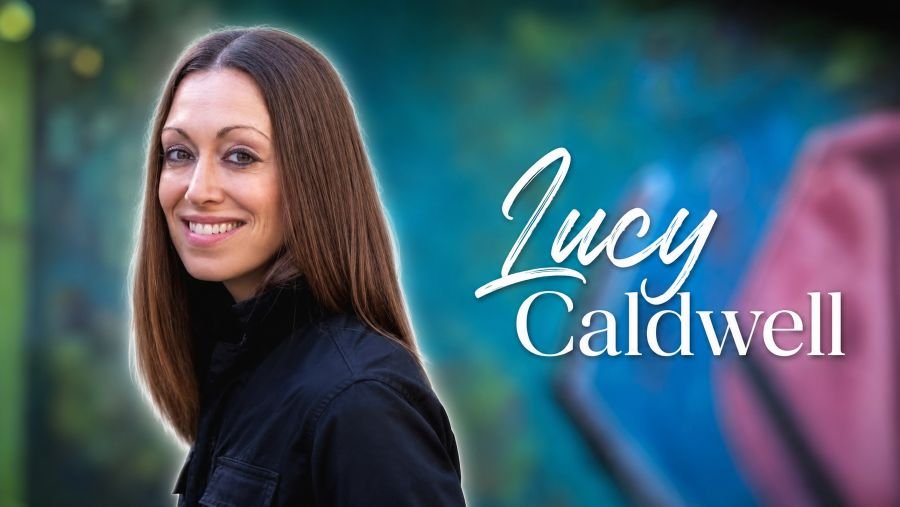
Lucy Caldwell is a Belfast-born writer known for novels, plays, radio dramas and short stories.
She has built a successful career by writing about ordinary people facing difficult choices. Her stories often explore family relationships, motherhood, faith, love, memory and the meaning of home.
Caldwell has received several important literary awards. Her best-known works include The Meeting Point, These Days, Multitudes, Intimacies and Devotions.
Lucy Caldwell Quick Facts
| Detail | Information |
|---|---|
| Full name | Lucy Caldwell |
| Birth year | 1981 |
| Birthplace | Belfast, Northern Ireland |
| Profession | Novelist, playwright and short-story writer |
| Education | Queens’ College, Cambridge, and Goldsmiths, University of London |
| Famous for | The Meeting Point, These Days and award-winning short stories |
| Major honour | Fellow of the Royal Society of Literature |
| Latest collection | Devotions |
| Active years | 2000s to present |
Who Is Lucy Caldwell?
Lucy Caldwell is a Northern Irish writer who works across several forms of storytelling.
She writes novels, stage plays, radio dramas and short stories. This wide range has helped her become an important voice in modern Irish and British literature.
Her writing is easy to connect with because it focuses on real human emotions. Her characters may face war, family pressure, personal loss, religious doubt or changes in their relationships.
Although Caldwell has lived in England, Belfast remains an important part of her identity and creative work.
Readers interested in similar creative profiles can explore more writer and culture stories on GateKeepBlog.
Early Life in Belfast
Lucy Caldwell was born in Belfast in 1981.
She grew up in east Belfast and attended Strathearn School. Books became an important part of her life at a very young age.
Caldwell has explained in interviews that she began making small handmade books before she started school. She folded pieces of paper, drew pictures and created her own stories.
Her mother also took her to the local library regularly. These visits gave her access to many books and helped her develop a love for reading.
Her childhood in Belfast later influenced much of her writing. The city appears not only as a location in her work but also as a place filled with history, emotion and changing identities.
Education and Writing Training
Caldwell studied English at Queens’ College, Cambridge.
She later completed a master’s degree in Creative and Life Writing at Goldsmiths, University of London.
Her university education helped her study literature closely, but her development as a writer also came from years of reading, observing people and practising different forms of storytelling.
She was influenced by writers including James Joyce, Hilary Mantel, Jennifer Johnston, Lorrie Moore and Susan Cooper.
How Did Lucy Caldwell Start Her Career?
Lucy Caldwell began gaining attention as a playwright.
One of her early short plays, The River, was performed in 2004. Her theatre career grew further when she wrote Leaves.
Leaves became an important breakthrough project. The play focuses on a family trying to understand and support a daughter returning home after a serious personal crisis.
The work received the George Devine Award and shared the Susan Smith Blackburn Prize. These honours helped introduce Caldwell to a wider theatre audience.
She later wrote additional plays and radio dramas, showing that she could create strong characters through both spoken and written storytelling.
Lucy Caldwell’s Novels
Where They Were Missed
Where They Were Missed was Caldwell’s first novel.
The story follows a family affected by political conflict and personal separation. It connects family memories with the difficult history of Northern Ireland.
The novel was shortlisted for the first International Dylan Thomas Prize.
The Meeting Point
The Meeting Point was published in 2011.
It tells the story of an Irish family that moves to Bahrain for missionary work. The novel examines marriage, faith, doubt and the unexpected choices people make when their lives change.
The book became one of Caldwell’s most important early successes. It won the 2011 Dylan Thomas Prize.
All the Beggars Riding
All the Beggars Riding was published in 2013.
The novel follows a woman trying to understand the hidden parts of her family’s past. It asks whether people can ever know the complete truth about their parents.
The book was selected for Belfast’s One City One Book programme and shortlisted for the Kerry Group Irish Novel of the Year.
These Days
These Days is a historical novel set during the Belfast Blitz of 1941.
The story centres on two sisters, Audrey and Emma, whose lives are changed by war and the bombing of their city.
Caldwell used historical records, eyewitness memories and survivor accounts while writing the novel. However, the book remains focused on the personal experiences of ordinary families.
These Days won the 2023 Walter Scott Prize for Historical Fiction.
Short-Story Collections
Short stories have become a major part of Lucy Caldwell’s career.
Multitudes
Multitudes presents stories about young people growing up in Belfast.
The collection explores childhood, identity, family expectations and the feeling of trying to understand where you belong.
Intimacies
Intimacies focuses on close relationships and important moments in women’s lives.
One of its stories, “All the People Were Mean and Bad,” won the 2021 BBC National Short Story Award.
The story follows two strangers who meet while travelling with their young children. Through a simple conversation, Caldwell explores loneliness, parenthood and human connection.
Openings
Openings continues Caldwell’s interest in family life, marriage, ageing and personal change.
The stories look at moments when people begin to see their lives differently. A small conversation or decision can open the door to a completely new understanding.
Devotions
Devotions was published by Faber in April 2026.
The collection contains eight stories examining grief, family responsibility, memory, artistic ambition and spiritual longing.
The book shows Caldwell continuing to develop as a short-story writer while exploring some of life’s biggest emotional questions.
Writing Style and Main Themes
Lucy Caldwell’s writing style is clear, emotional and carefully observed.
She does not depend on large amounts of action. Instead, she often builds stories around conversations, memories and private thoughts.
Her main themes include:
- Family relationships
- Motherhood and childhood
- Belfast and Northern Irish identity
- Faith and religious doubt
- Love and marriage
- Memory and personal history
- War and its effect on ordinary people
- The small decisions that change lives
Her experience as a playwright can also be seen in her dialogue. Conversations between her characters often feel natural while carrying deeper emotional meaning.
Major Awards and Achievements
Lucy Caldwell has received recognition for novels, plays and short stories.
Her major confirmed honours include:
- George Devine Award for Leaves
- Susan Smith Blackburn Prize for Leaves
- Rooney Prize for Irish Literature
- 2011 Dylan Thomas Prize for The Meeting Point
- Commonwealth Short Story Prize regional award for “Killing Time”
- 2021 BBC National Short Story Award
- 2023 Walter Scott Prize for These Days
- Election as a Fellow of the Royal Society of Literature in 2018
Her fellowship is recorded by the Royal Society of Literature, which recognises writers who have made an important contribution to literature.
Lucy Caldwell as an Editor and Teacher
Caldwell has also supported other writers.
She edited Being Various: New Irish Short Stories, an anthology featuring different voices from modern Irish writing.
The collection helped introduce readers to writers with different backgrounds, styles and experiences.
Caldwell has taught creative writing and delivered short-story courses and masterclasses. Through this work, she helps developing writers understand character, structure, dialogue and emotional truth.
Personal Life
Lucy Caldwell has publicly spoken about living in England with her husband and children.
Parenthood has influenced her writing, especially her short stories about mothers, children and changing family relationships.
She continues to describe Belfast as home and regularly returns to the city through her characters, settings and memories.
Why Is Lucy Caldwell Important?
Lucy Caldwell is important because she tells large historical and emotional stories through ordinary lives.
In These Days, she presents the Belfast Blitz through the experiences of a family rather than treating history as a simple list of events.
In her short stories, she shows how a brief meeting, hidden memory or difficult decision can transform a person’s life.
Her work has also helped bring more attention to Belfast and Northern Irish experiences within modern literature.
Is Lucy Caldwell Still Writing?
Yes, Lucy Caldwell remains an active writer.
Her 2026 collection Devotions continued her successful work in short fiction. She also takes part in literary interviews, events and creative-writing education.
Her career shows that a writer can move successfully between novels, theatre, radio and short stories without losing a clear personal voice.
Frequently Asked Questions
What is Lucy Caldwell famous for?
Lucy Caldwell is famous for writing novels, plays and short stories. Her best-known works include The Meeting Point, These Days, Multitudes and Intimacies.
Where was Lucy Caldwell born?
She was born in Belfast, Northern Ireland, in 1981.
What did Lucy Caldwell study?
She studied English at Queens’ College, Cambridge. She later completed a master’s degree in Creative and Life Writing at Goldsmiths, University of London.
Which book won Lucy Caldwell the Dylan Thomas Prize?
Her novel The Meeting Point won the Dylan Thomas Prize in 2011.
Which Lucy Caldwell story won the BBC award?
“All the People Were Mean and Bad” won the BBC National Short Story Award in 2021.
What is These Days about?
These Days is about two sisters and their family during the Belfast Blitz of 1941.
What is Lucy Caldwell’s latest book?
As of July 2026, her latest published book is Devotions, a collection of eight short stories.
Is Lucy Caldwell a playwright?
Yes. She has written several stage plays and radio dramas, including the award-winning play Leaves.
Final Thoughts
Lucy Caldwell has developed a powerful career by writing honest stories about people, families and places.
From her early life in Belfast to major literary awards, she has continued to explore how history and private emotions shape human lives.
Her novels introduce readers to families facing war, secrecy and change. Her short stories examine quieter moments that can be equally important.
Through her books, plays, editing and teaching, Lucy Caldwell has earned a respected place in modern literature.
